
Creating More Sustainable Energy Solutions
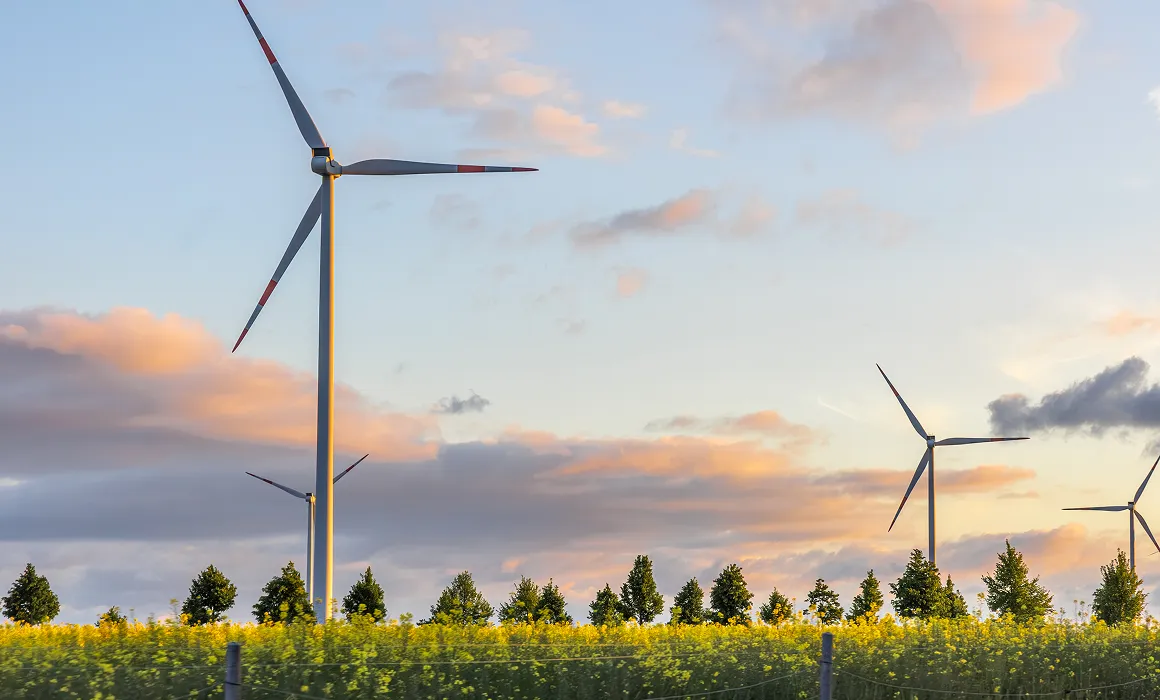

Designing Energy Systems With Sustainability In Mind
Creating sustainable energy solutions requires a balance of clean generation, efficient use, and long-term planning. Renewable technologies, smart controls, and responsible system design work together to reduce environmental impact while meeting practical energy needs. Organizations that prioritize sustainability can lower emissions, control costs, and build more resilient operations. A thoughtful approach to energy solutions delivers value that extends well beyond immediate performance improvements.
Combining Clean Generation With Smart Efficiency
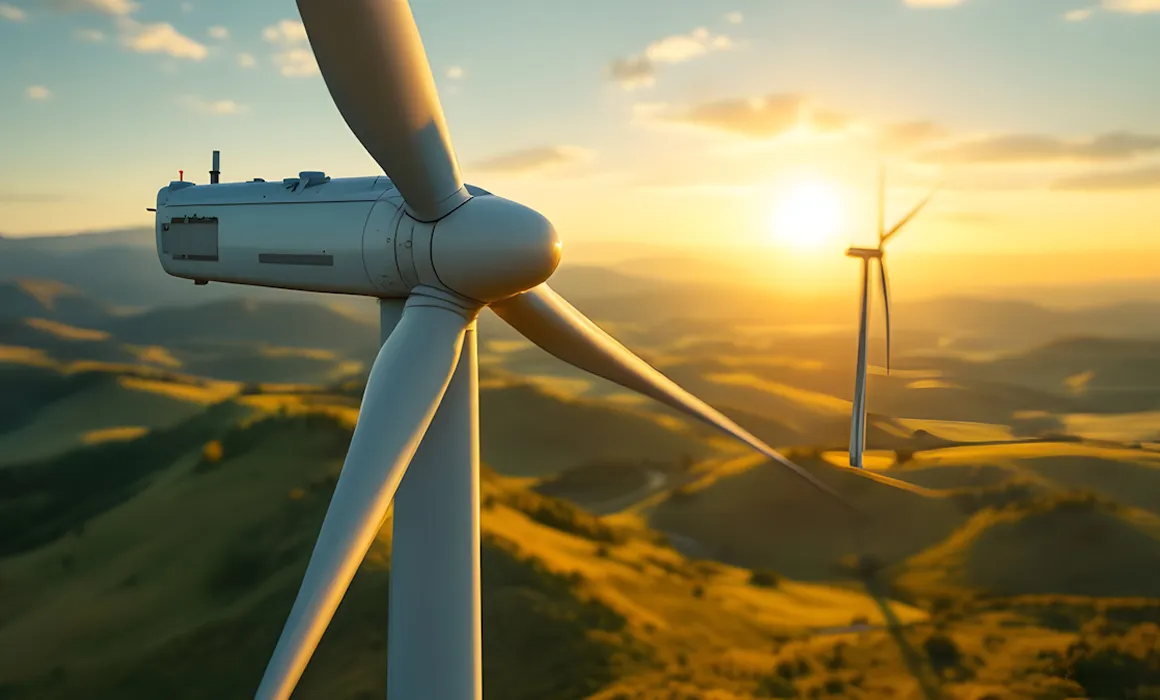
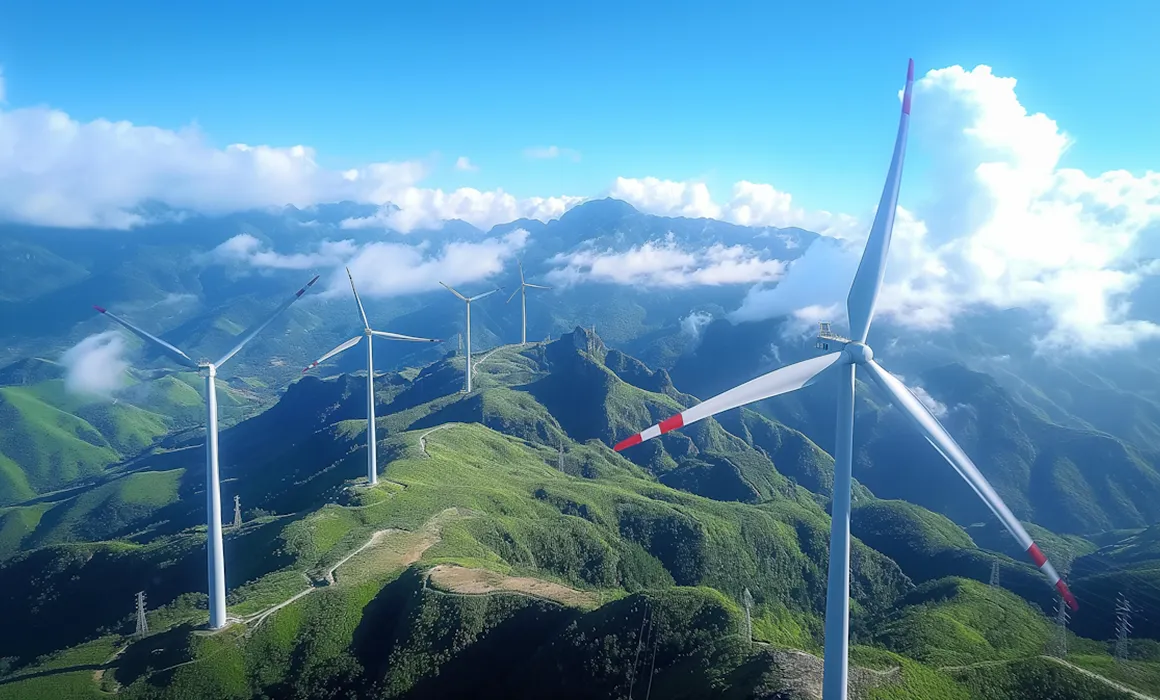
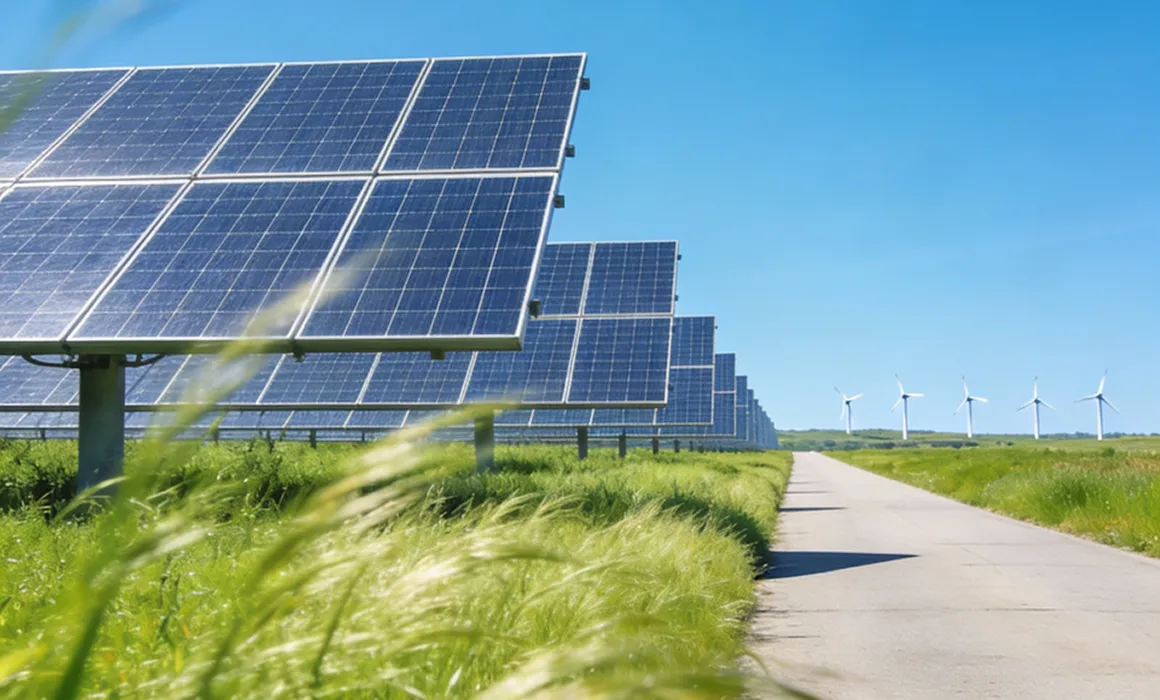
The most effective sustainable systems integrate renewable power sources with measures that reduce unnecessary consumption. Solar, wind, storage, and energy-efficient equipment can be combined to create flexible and high-performing solutions. Smart monitoring adds visibility and control, helping teams optimize usage and maintain strong results. This integrated strategy supports both environmental goals and operational reliability across different types of facilities.
Building Solutions That Adapt And Improve
Sustainable energy systems should be designed to evolve with changing needs and technologies. Scalable infrastructure, modular components, and data-driven management allow organizations to expand capacity and improve performance over time. Continuous evaluation and targeted upgrades help maintain efficiency and keep systems aligned with long-term sustainability objectives. Adaptable solutions provide lasting value in a rapidly changing energy environment.
Delivering Lasting Environmental And Business Value
Well-designed sustainable energy solutions create benefits for both the organization and the wider community. Reduced carbon output, lower operating costs, and improved energy independence contribute to stronger overall performance. By focusing on practical, proven approaches, businesses can implement solutions that are effective today and remain valuable for years to come. Sustainability and strong energy performance can successfully work together.




A Greener Future.


