
Why Clean Energy Matters More Today
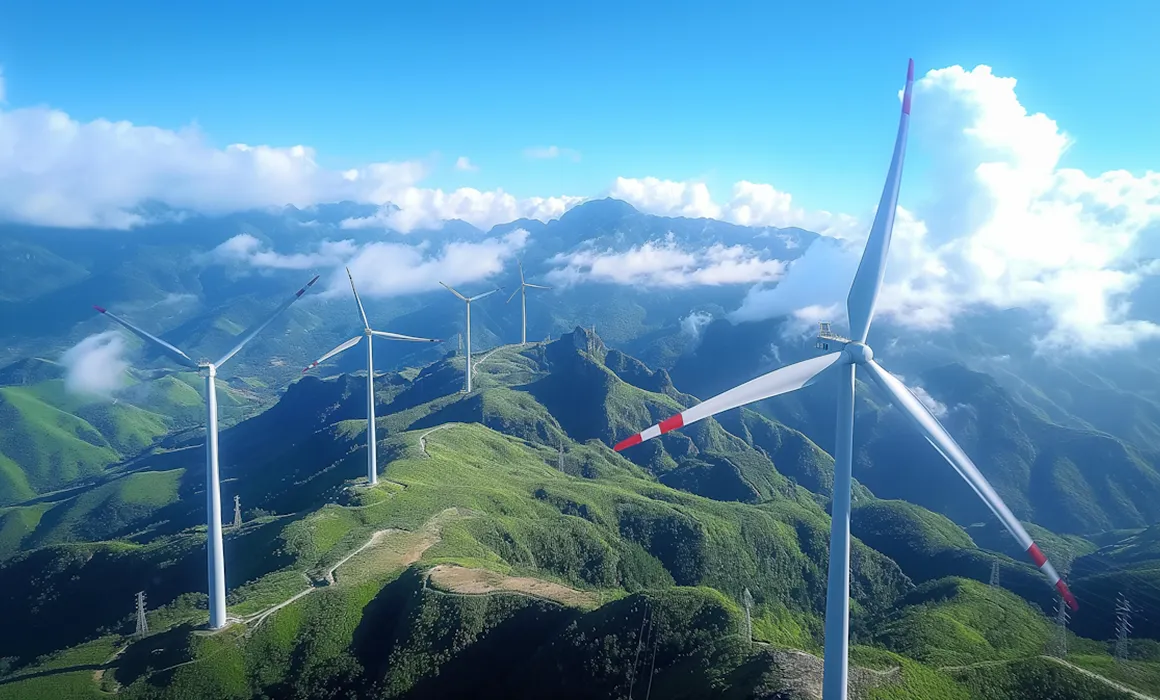

Understanding The Growing Need For Clean Energy
Clean energy has become more important than ever as businesses and communities face rising energy costs, environmental challenges, and the need for long-term reliability. Renewable sources such as solar, wind, and other sustainable technologies offer practical ways to reduce dependence on traditional power systems. By adopting cleaner energy solutions, organizations can lower emissions, improve energy security, and create more stable operating costs. The shift toward clean energy is no longer just an environmental choice—it is a smart strategic decision that supports both financial performance and future resilience.
Economic And Environmental Benefits Combined
Investing in clean energy delivers value on multiple levels. Reduced electricity expenses, protection against fluctuating energy prices, and lower carbon output all contribute to stronger long-term results. Businesses that integrate renewable systems often gain greater control over their energy use while demonstrating environmental responsibility. These advantages help organizations remain competitive, meet sustainability expectations, and build a more positive reputation with customers and stakeholders. Clean energy solutions create measurable benefits that extend beyond short-term savings.
Building Resilience Through Renewable Systems
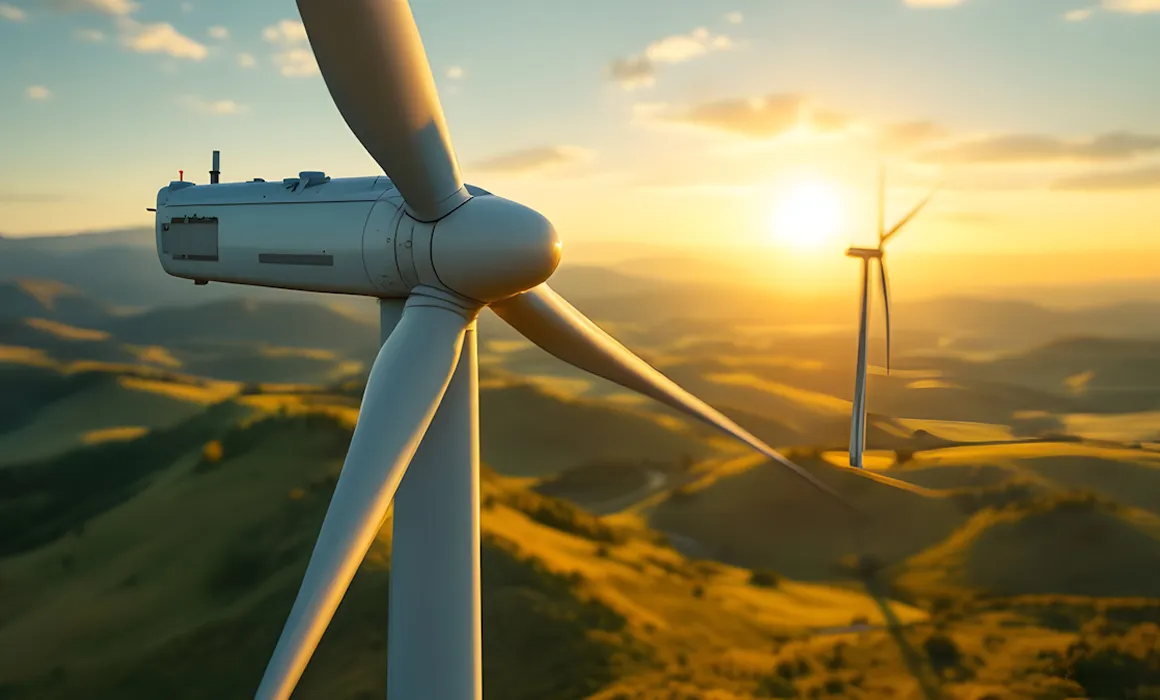
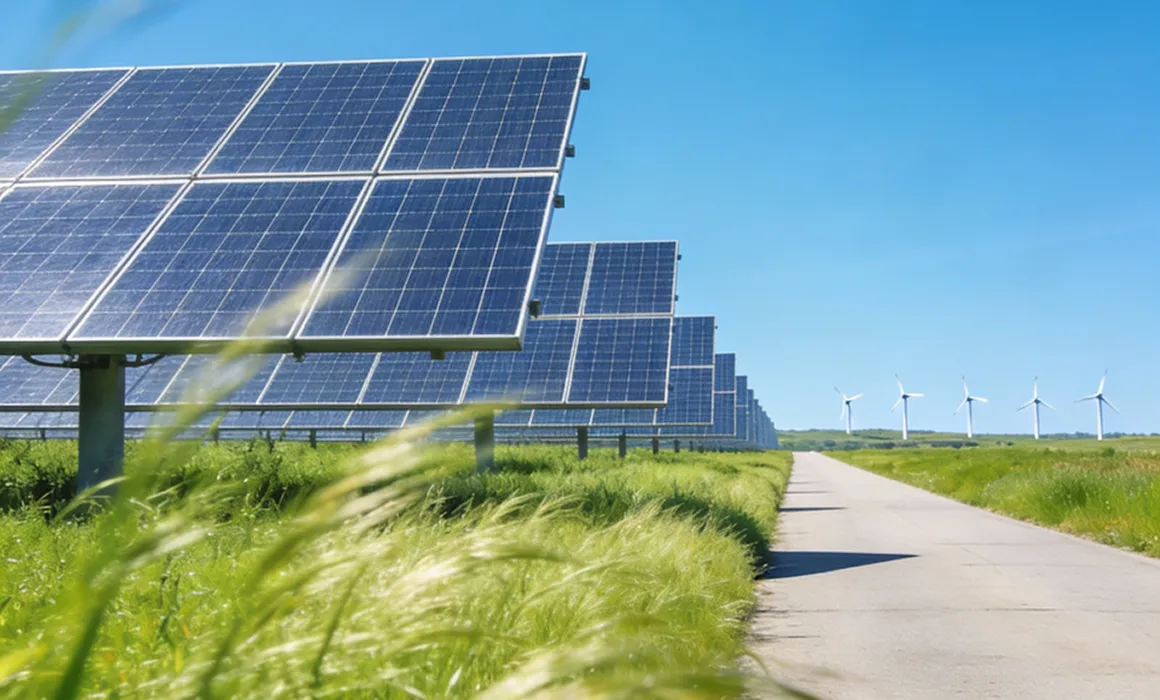
Modern clean energy technologies provide more than just power—they offer greater operational stability. Solar, wind, and energy storage systems can work together to reduce vulnerability to grid disruptions and price volatility. When businesses combine these technologies with smart monitoring and efficient equipment, they create a more flexible and reliable energy foundation. This approach supports continuous operations while helping organizations prepare for future energy demands and regulatory changes in a rapidly evolving market.
A Practical Path Toward A Cleaner Future
The transition to clean energy is most effective when it is planned strategically and implemented step by step. Organizations can start with targeted upgrades, expand renewable capacity over time, and continuously improve efficiency. A well-designed clean energy strategy balances cost savings, environmental impact, and operational reliability. By taking practical actions today, businesses and communities can build a stronger, more sustainable energy system that delivers lasting value for years to come.


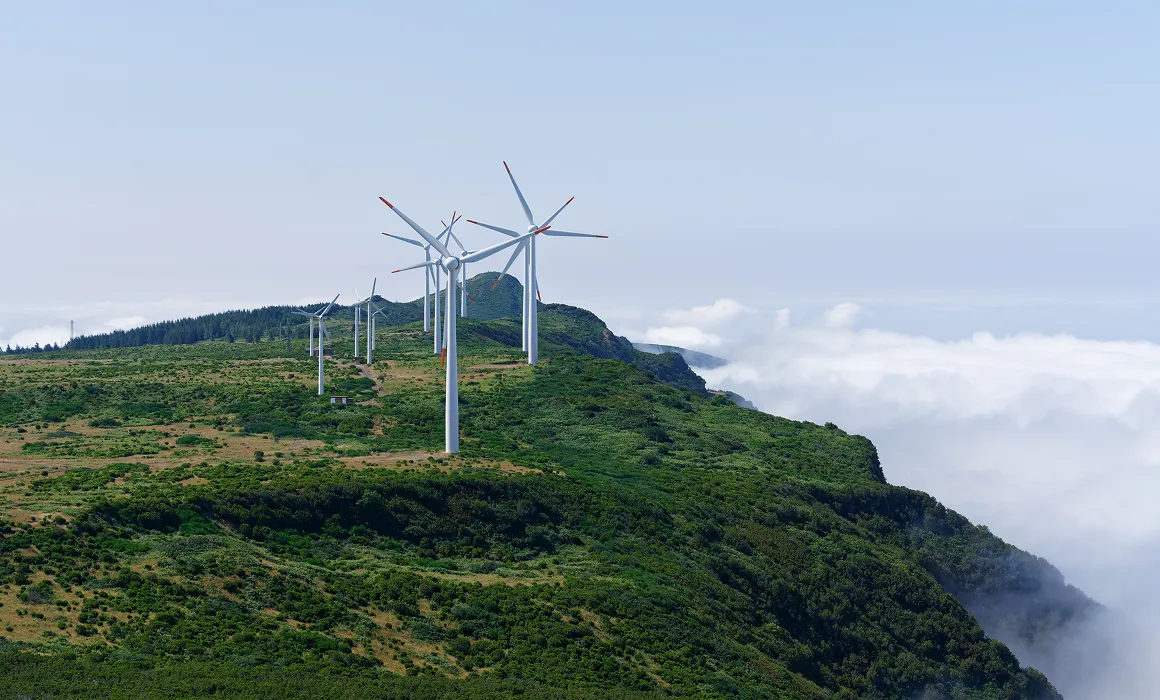


A Greener Future.


