
Building A Greener Energy System
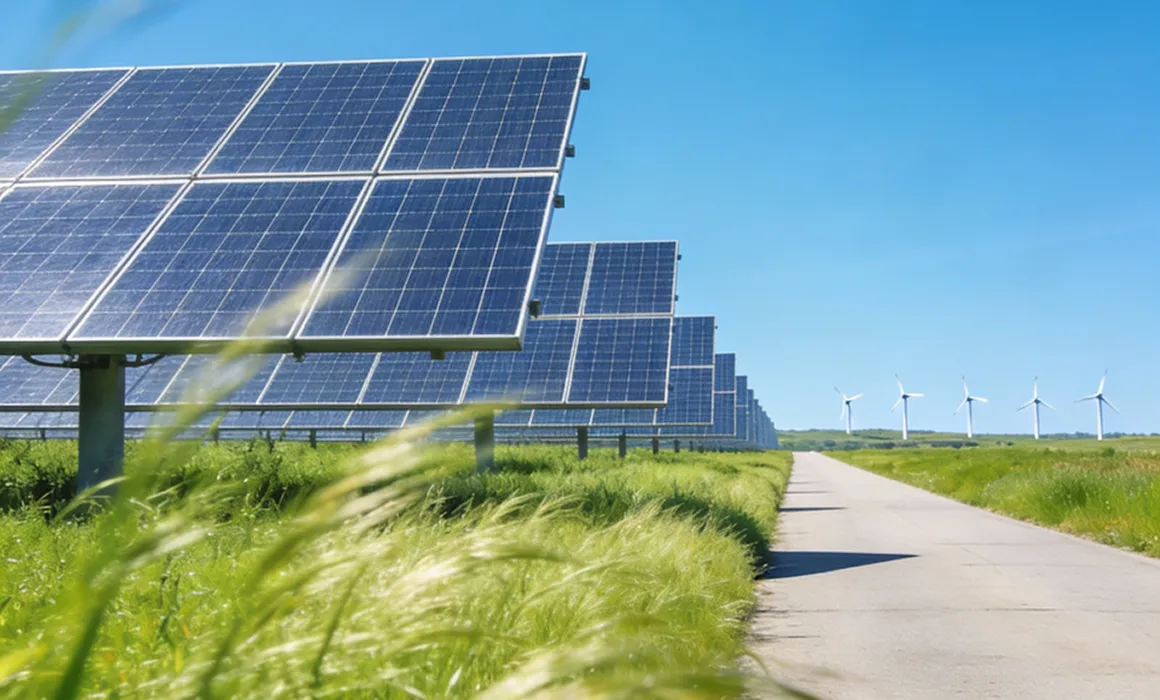

Creating A Foundation For Sustainable Power
Building a greener energy system begins with thoughtful planning and the right combination of technologies. Renewable energy sources, efficient equipment, and intelligent management tools work together to reduce environmental impact while maintaining reliable performance. Organizations that focus on cleaner energy infrastructure can lower emissions, improve resource efficiency, and create long-term operational advantages. A well-designed system supports both sustainability goals and practical energy needs across different scales of operation.
Integrating Renewable Technologies Effectively
Successful green energy systems combine solar, wind, storage, and smart controls in ways that maximize output and minimize waste. Each technology plays a specific role in delivering consistent power while reducing reliance on conventional sources. Careful system design ensures that components work together efficiently, adapting to changing conditions and energy demands. This integrated approach helps organizations achieve stronger performance and greater environmental responsibility at the same time.
Improving Efficiency Across The Entire System
Energy efficiency is a core part of any greener power strategy. Upgrading equipment, optimizing usage patterns, and using real-time monitoring can significantly reduce unnecessary consumption. When efficiency improvements are combined with renewable generation, the overall system becomes more cost-effective and environmentally friendly. Continuous performance tracking allows teams to identify opportunities for further improvement and maintain strong results over time.
Designing Systems That Last And Perform
A truly green energy system is built for durability, adaptability, and long-term value. Sustainable design choices, quality components, and responsible construction practices help ensure reliable operation for many years. Organizations that invest in well-planned green infrastructure create lasting benefits for their operations and the wider community. The result is a cleaner, more resilient energy foundation that supports both present needs and future growth.
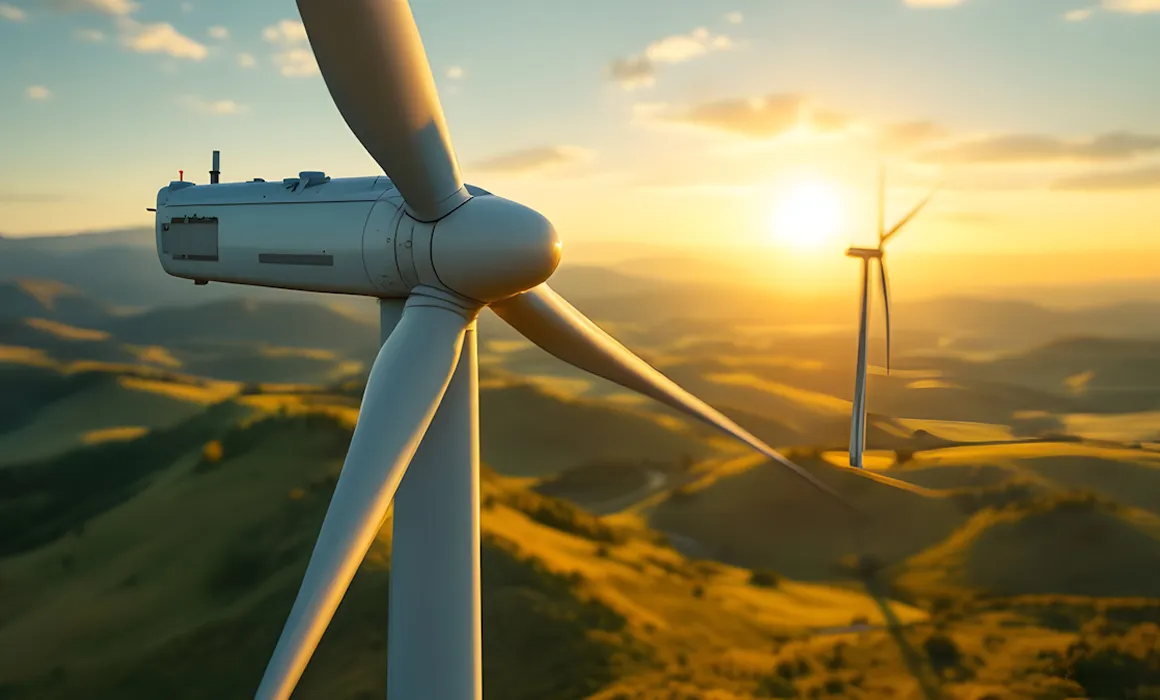

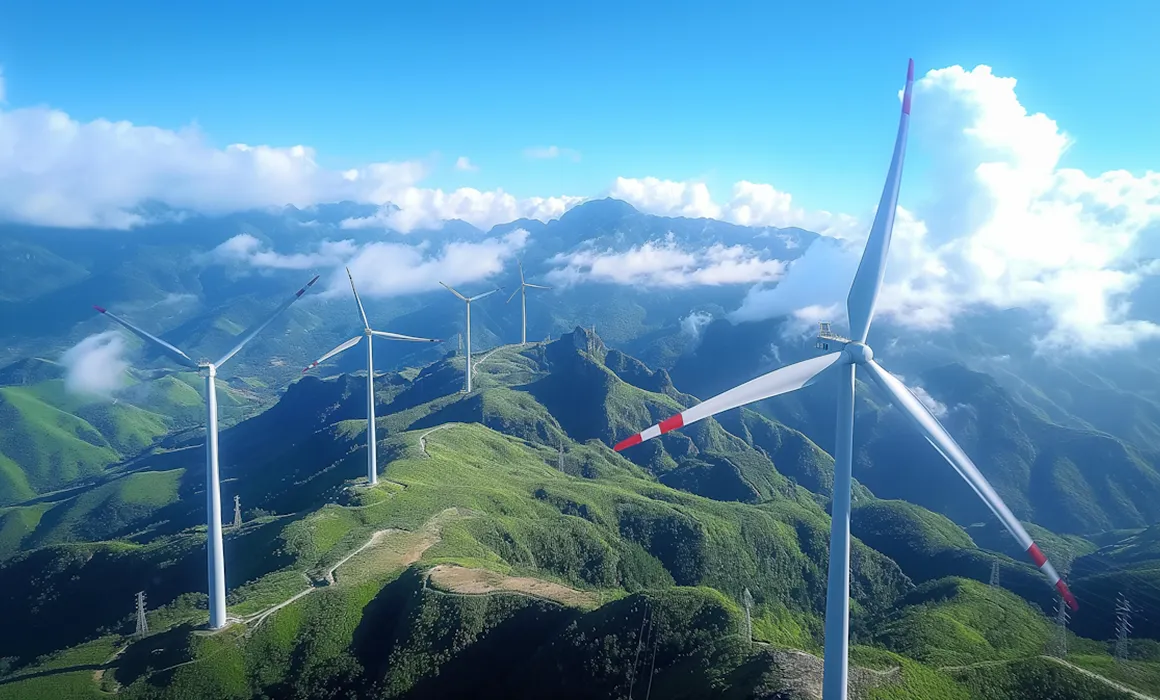

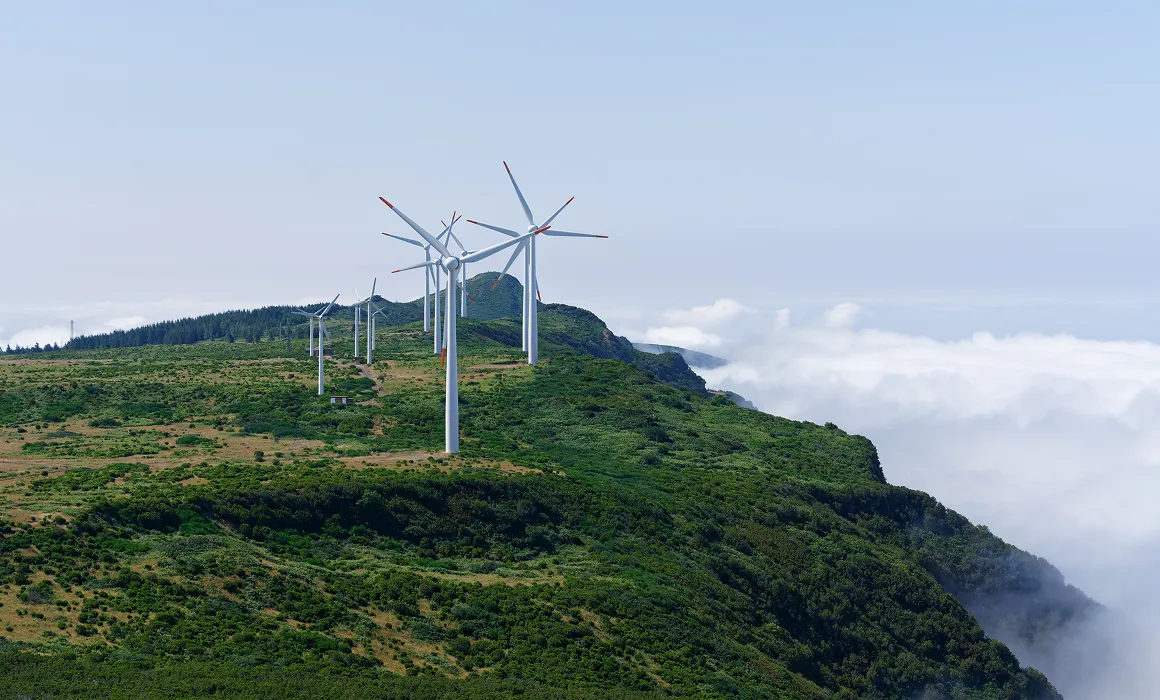


A Greener Future.


